
How to Reheat Scones Perfectly
Scones are a delightful treat when fresh from the oven, but they can easily become dry and crumbly the next day. Reheating them incorrectly often turns a tender pastry into a hard, unappetizing rock.
Fortunately, learning how to reheat scones the right way can restore that coveted bakery-fresh texture, ensuring a moist crumb and a beautifully crisp exterior.
Here are three easy and best ways to reheat scones:
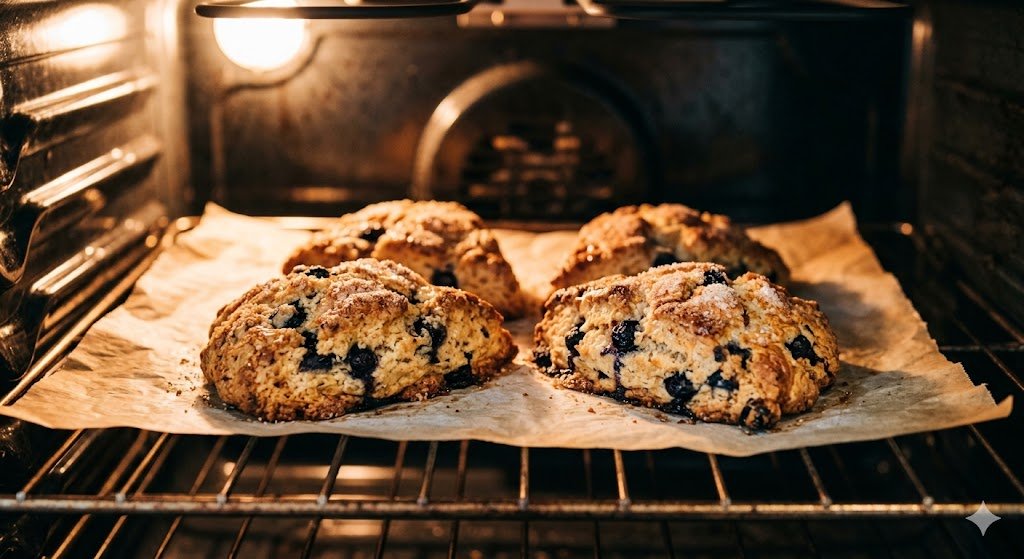
Reheating Scones in the Owen:
The oven is the absolute best appliance for reviving leftover pastries. It takes a few extra minutes compared to other appliances, but the final texture is virtually indistinguishable from a freshly baked batch.
Preheat the oven:
Takes about 5-10 minutes.
Set your kitchen oven to 350°F (175°C) and allow it to come up to full temperature before introducing the pastries. Placing food into a cold oven dries out the dough before the interior has a chance to warm through completely.
Prepare the pastries:
Takes 1 minute.
Arrange the scones on a baking sheet lined with parchment paper to prevent sticking. If your pastries feel particularly dry or are a few days old, lightly brush the tops with a splash of milk or water to introduce extra moisture.
Wrap with foil:
Optional step for dry scones.
Cover the baking sheet loosely with aluminum foil if you want to prioritize a soft texture over a crisp crust. The foil traps steam around the pastry, which prevents the outer layer from hardening during the warming process.
Heat thoroughly:
Takes 5-10 minutes.
Bake the pastries for five to ten minutes, depending on their size and thickness. Check the center of a scone at the five-minute mark to ensure it is heating evenly without overcooking the edges.
Air Fryer:
An air fryer is an excellent alternative to a conventional oven when you are short on time.
1.Preheat the air fryer:Takes 2-3 minutes.
Set your air fryer to 300°F (150°C) and let it run for a couple of minutes to stabilize the internal temperature. Using a lower temperature than a standard oven prevents the exterior from scorching before the center warms through.
2.Arrange the basket:Takes 1 minute.
Place the pastries inside the air fryer basket in a single layer, ensuring there is plenty of space between each piece for the hot air to circulate freely. Do not overcrowd the basket or stack the pastries on top of one another.
3.Warm the pastries:Takes 3-5 minutes.
Heat the scones for three to five minutes total. It is highly recommended to check them at the three-minute mark, as the high-powered heating elements vary significantly between different air fryer brands.
Microwave
1.Wrap the pastry:Takes 30 seconds.
Place a single scone on a microwave-safe plate and cover it loosely with a slightly damp paper towel. The moisture from the towel creates a gentle steam envelope that prevents the pastry from drying out into a hard crust.
2.Heat on medium power:Takes 15-20 seconds.
Adjust your microwave power setting to 50% or medium rather than using the default high power. Microwave the pastry in short bursts of fifteen to twenty seconds, checking the temperature between intervals to avoid overheating the delicate fats.
3.Serve immediately:Consume right away.
Remove the pastry from the appliance and eat it while it is still warm. Microwaved baked goods lose their structural integrity as they cool down, meaning they will become unpleasantly hard if left sitting on the counter.
Food Safety and Storage Best Practices
Maintaining proper food safety standards is critical when handling, storing, and reheating any baked goods. According to general public health guidelines, leftover pastries should be stored in an airtight container at room temperature for up to two days. If you intend to keep them longer, seal them tightly and store them in the refrigerator for up to a week, or freeze them for up to three months.
When reheating stored items, ensure they reach an internal temperature that makes them warm and pleasant to eat. You should only reheat your pastries a single time; repeatedly cooling and warming baked goods degrades their flavor, texture, and structural quality while increasing the minor risk of foodborne contamination. Frozen items should ideally be thawed at room temperature for an hour before applying any direct heat.